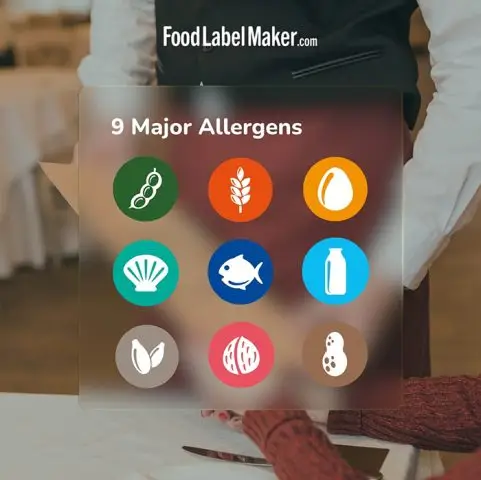
Starting July 1, 2026, California will become the first state in the nation to require chain restaurants to disclose allergen information directly on their menus. Senate Bill 68 (SB 68) represents a landmark shift in food safety transparency. If any food businesses operate in 20 or more locations with at least one in California, the clock is ticking.
For the estimated 32 million Americans living with food allergies, dining out has always carried a degree of risk. SB 68 is designed to close the gap between the allergen labeling consumers already see on packaged goods and the information that’s been clearly absent from restaurant menus.
Here’s a quick breakdown of what’s in the bill, and what it means for restaurants in California.
What Does SB 68 Require?
At its core, SB 68 mandates that covered food facilities must disclose the presence of any of the nine major food allergens for every standard menu item. This applies across all ordering formats including printed menus, menu boards, drive-thru displays, kiosks, websites, mobile apps, and online ordering platforms.
The nine allergens that must be disclosed are:
- Milk
- Eggs
- Fish
- Shellfish
- Tree Nuts
- Peanuts
- Wheat
- Soy
- Sesame
Businesses can communicate allergen information using common names (e.g., “contains milk, wheat”) or standardized pictograms. If a digital method like a QR code is used, the establishment must also provide an alternative written format, such as an allergen chart, grid, booklet, or separate allergen-specific menu, for customers who cannot access digital content.
Who Does Senate Bill 68 Apply To?
SB 68 applies to food facilities that meet all three of the following criteria:
- 20 or more locations worldwide operating under the same trade name
- Substantially the same menu across those locations
- At least one location in California
| FOR MULTI-LOCATION CHAINS & ENTERPRISE OPERATORS |
The hard part isn’t printing allergen names on a menu. It’s what comes before that:
|
| Results in 1–3 business days → Talk to a compliance expert |
If you’re an independent restaurant or a smaller chain, you’re not directly covered by SB 68 today. However, this law signals a clear regulatory trend. Other states are watching California’s lead, and consumer expectations around allergen transparency are rising across the board. Getting ahead of this curve is a smart business move regardless of your size.
| FOR INDEPENDENT RESTAURANTS & GROWING CHAINS |
SB 68 doesn’t apply to you yet. Getting ahead of it now means:
|
| Labels ready in 1–3 business days · → Get my allergen audit |
See How FoodLabelMaker Can Help You
Why Allergen Transparency Matters for Restaurants
Until now, federal allergen labeling under FALCPA has applied only to packaged food products. Restaurants have operated in a gray area where allergen communication was voluntary and inconsistent, often relying on servers to relay information verbally, with all the room for error that entails.
SB 68 closes that gap for California’s largest food service operators. But beyond the legal requirement, allergen transparency is increasingly a business differentiator. Customers with dietary restrictions are loyal to brands that make them feel safe. Clear allergen disclosures reduce liability exposure, minimize the burden on front-line staff, and build the kind of trust that drives repeat visits and positive word-of-mouth.
How to Prepare For Senate Bill 68 Before July 1
Compliance with SB 68 requires more than just printing allergen names on a menu. It demands a systematic review of every recipe, every ingredient sourced, and every menu item offered, across every format.
Here’s where to start:
- Audit your recipes. Identify which of the nine major allergens are present in each menu item, including hidden sources (e.g., soy lecithin, wheat-based thickeners, or sesame in spice blends).
- Choose your disclosure format. Decide whether you’ll list allergens directly on the menu, use pictograms, or implement a QR-code-based digital system—keeping in mind the written alternative requirement.
- Update all ordering channels. Printed menus, drive-thru boards, websites, apps, and third-party delivery platforms all need to reflect accurate allergen data.
- Build a maintenance process. Recipes change, suppliers change, and seasonal menus rotate. You’ll need a system to keep allergen disclosures current and accurate over time.
| Need help getting compliant? Our certified regulatory experts at Food Label Maker specialize in allergen identification, regulatory-compliant labeling, and recipe analysis across all major markets. 👉 Hire a Labeling Expert — Labels ready in 1–3 business days. |
Get Ahead of California’s Allergen Disclosure Deadline
SB 68 is a reflection of where the entire food industry is headed. Allergen transparency is becoming a baseline expectation, not a differentiator. The businesses that move early, invest in accurate recipe analysis, and build disclosure systems will be the ones best positioned as regulations expand beyond California.
July 1 is approaching fast. Don’t wait until the last minute to figure out your allergen disclosure strategy. Whether you need a full recipe audit, compliant nutrition labels, or expert guidance on building your allergen communication system, our team of certified regulatory experts are ready to help.